Walk down any London street where a Victorian terrace sits beside a mid-century block and a new infill house, and you’ll spot the giveaway: slim frames, generous glass, crisp lines. Aluminium windows are the quiet upgrade that lifts a façade without shouting. They bring light deep into rooms and keep heat where you want it. If you’re searching “aluminium windows near me,” you’re not just shopping for a product. You’re making a decision that touches architecture, comfort, security, maintenance, and resale value. After two decades working on projects from studio flats in Hackney to riverfront homes in Richmond, I’ve learned which configurations and styles serve real homeowners and which look good only on paper.
This guide distills that experience. It explains the trade-offs between aesthetics and performance, how to choose configurations that suit London’s patchwork of building styles, what to prioritise in glazing and thermal breaks, and where aluminium wins or loses against timber or uPVC. I’ll also flag practical details: handle placement that saves knuckles against shutters, frame profiles that help trick acoustic tests, and the small specification choices that keep projects on schedule. If you’re considering Aluminium Windows in London or pairing them with Aluminium Doors in London, the context below will help you brief a specialist like Durajoin Aluminium Windows and Doors with confidence.
Why aluminium in the first place
Aluminium frames do three things particularly well. First, they carry large panes with minimal bulk. The material’s strength allows slender sightlines, which boosts daylight without compromising structural integrity. Second, they hold their shape. In a city with frequent temperature swings, south elevations that bake, and north sides that stay damp, stability matters. Well-made aluminium frames won’t swell in humidity or bow when the sun hits. Third, they offer a long finish life. A quality powder coat resists chalking and keeps its colour for a decade or more, especially if you spec marine-grade finishes near busy roads or the Thames where pollution and salt test coatings.
None of that means aluminium is perfect. It conducts heat better than timber, which is why thermal breaks and proper glazing are non-negotiable. It has a cooler surface temperature, so you need careful detailing to avoid condensation at edges in winter. And it can look sterile if the profiles are too sharp for period architecture. The good news is that the market has matured. You can now get thermally broken frames with woodgrain sub-frames for heritage settings, or deep reveals and shadow gaps that make contemporary houses feel crafted rather than cold.
Configurations that actually work in London homes
Room layouts, building regulations, and outside constraints often dictate window behavior more than taste does. Start with function, then style.
Casement windows remain the default for many Victorian and Edwardian homes, and for good reason. Top-hung casements shed rain while venting at the top, which helps in bedrooms facing the street where privacy matters. Side-hung casements give a full aperture for purge ventilation. If you have inward-opening shutters or narrow alleyways, plan your hinge side so casements don’t clash. I’ve rescued more than one kitchen where a side-hung leaf hit a wall switch, simply by mirroring the hinges.
Tilt-and-turns shine in flats and tight sites where cleaning the outside pane is otherwise a circus act. The tilt function provides secure night ventilation, and the turn function lets you clean safely from inside. Choose increased hinge load ratings if you’re going for heavy triple glazing, and specify restrictors in upper floors to satisfy safety without killing the convenience.
Fixed panes are your friend for bringing in maximum light and reducing cost. They eliminate opening hardware, which lowers price and maintenance. Use fixed lights in combination with one or two operable vents rather than insisting every pane opens. In living rooms and stairwells, a fixed floor-to-ceiling pane turns a dark corner into a lightwell. Just ensure you meet ventilation requirements elsewhere in the room.
Sliding windows get overlooked in London, but in tight balconies or where swing space is limited, they solve real problems. A well-engineered aluminium slider with a lift-and-slide mechanism offers smooth action and decent seals. They won’t match a casement’s airtightness in lab tests, but for certain spaces, the usability wins.
Heritage putty-line profiles exist if your conservation officer insists on period character. These replicate the slender look of steel with a flat putty glaze line. Pair them with symmetrical glazing bars to echo original sash proportions. You retain the advantages of aluminium while staying in good standing with the planning officer.
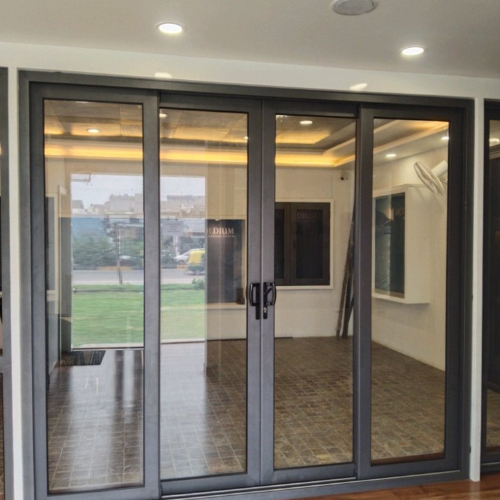
If you’re pairing windows with Aluminium Doors in London, consider consistency in sightlines. Many contemporary systems align the door mullions and window mullions. That carries design logic across elevations and makes the whole façade feel intentional rather than piecemeal.
Styles that suit different property types
There’s no one-size answer. Good choices take cues from the building and the way you live.
Victorian terraces respond well to a respectful hybrid. On the street elevation, a slim heritage aluminium with applied glazing bars offers a nod to sash proportions without pretending to be timber. At the rear, where you have more latitude, go contemporary: large fixed panes with adjacent casements in the kitchen, or a clerestory band above a sliding door to feed daylight deep into the plan.
Mid-century maisonettes often had metal windows originally, so aluminium looks at home. Look for horizontal emphasis and low-profile frames that sit neatly in the existing reveals. If you’re replacing tired Crittall, you can achieve the spirit with slimline thermally broken aluminium. Aim for sightlines around 35 to 50 millimetres where structure allows. Keep glazing bars minimal and let the physics of large glass do the talking.
New-build contemporary homes welcome bold panes and corner windows. Structural glass returns are seductive, but budget for them properly with steel angles or concealed posts. More often, a standard aluminium system with a 90-degree corner post achieves a similar visual effect at a fraction of the cost. If you must have a frameless glass-to-glass corner, select a system tested for wind loads typical of London’s gusts, especially on exposed sites like riversides or hilltops.
Warehouse conversions benefit from grid-like patterns and dark finishes. A deep black or early-night charcoal RAL finish delivers the punch. Keep glazing bars honest in alignment with floor levels and beams. Don’t overcomplicate the grid. Two verticals and one horizontal often do the job.
Mezzanine or loft spaces need opening lights high up for stack ventilation. Aluminium suits this well because it can carry actuators and trickle vents without becoming bulky. Automated top-hung openers tied to a thermostat quietly solve overheating in summer, especially under London’s increasingly common heatwaves.
Performance details that separate good from great
Specs aren’t the glamorous part of a window, but they determine whether you end up with comfort or regret.
Thermal breaks are the backbone of modern aluminium. Insulating polyamide strips separate inner and outer skins, choking heat transfer. Look for systems with generous break depth, not just token strips. Combined with low-E double glazing, you should see whole-window U-values around 1.2 to 1.4 W/m²K on standard setups in London, dipping below 1.0 with triple glazing and insulated frames. Ask for the whole-window value, not just the centre-of-glass number that flatters performance.
Glazing choices affect comfort and cost. For most London homes, argon-filled double glazing with a warm-edge spacer balances budget, weight, and performance. If your plot faces a main road, ask for laminated acoustic glass. A 6.8 or 8.8 mm laminated pane paired with a 4 or 6 mm pane of a different thickness disrupts sound frequencies more effectively than matching panes. Triple glazing delivers the quietest rooms and the lowest U-values, but it adds weight which can constrain sash sizes and hardware selection. In terraced streets where lorries pass, I specify at least one laminated leaf per opening.
Solar control is a judgment call. On south and west elevations, a light solar control coating can reduce overheating without turning the glass grey. For north elevations, go clear to keep indoor light warm and natural. Overhangs and external shading do more for comfort than heavy coatings, but not every London terrace can accommodate brise soleil. Good glazing is your flexible tool.
Air and water tightness come down to gaskets, compression, and tolerances. A-file test results look impressive, but what happens on site matters more. Ask your installer how they deal with uneven openings, especially in older brickwork where reveals are rarely true. Proper packers, expanding tapes, and backer rods with sealant are the difference between a system that tests well and a window that lives well.
Hardware deserves more attention than it gets. Hidden hinges and low-profile handles keep sightlines clean. For tilt-and-turns, make sure the handle operation feels intuitive for guests and tenants. I’ve seen rentals flooded because a tilted window was mistaken for shut. If you have small children, integrated restrictors are priceless. For security, aim for PAS 24 tested units in the UK context. Laminated inner panes with robust multi-point locks deter opportunist break-ins.
Finishes and colours that hold up in the city
Powder coating technology has improved to the point where chipping and chalking are rare with reputable suppliers. Marine-grade finishes, sometimes called Seaside Class, are worth the small premium within a few miles of the Thames or main roads. The grime wipes off more easily and the lustre lasts. Popular RAL colours like 7016 Anthracite deliver a contemporary feel without the hardness of pure black. Warm greys sit comfortably against London stock brick. Internally, dual-colour frames solve the design tension between a crisp exterior and a soft interior. White or off-white inside brightens rooms, while the exterior can stay moody and architectural.
If your façade faces relentless sun, darker frames will run hotter. That stresses seals and can expand the frame enough to make opening sashes tighter on heatwave days. Quality systems account for this, but it is another reason to choose well-engineered profiles and to avoid bargain-bin imports with thin thermal breaks.
Integrating windows with doors and larger openings
Most homeowners upgrading windows eventually look at the back of the house and consider a bigger move: pairing aluminium windows with sliders or bifolds to open the kitchen to the garden. Aluminium Doors in London come in three main types: sliding, lift-and-slide, and bifold. Each demands different coordination with adjacent windows.
Lift-and-slide doors marry well with fixed windows that continue the sightline. The lift function raises the door leaf off gaskets for easy movement, then drops it to seal. For most families, a two-panel slider with a generous fixed panel and one moving leaf hits the sweet spot. It gives big glass and top-tier weathering.
Bifolds create a wide, fully open aperture which is unbeatable for summer parties. The compromise is more frame in the closed position, more maintenance on hinges, and slightly lower airtightness. If your garden is narrow and you want furniture right up to the threshold, bifolds might be the better lived experience.
When coordinating with windows, align head heights and mullions. Nothing dates a renovation faster than staggered lines where a consistent datum would have made the composition sing. If you are using transoms to match existing architecture, keep Aluminium windows near me them consistent across windows and doors. A supplier like Durajoin Aluminium Windows and Doors can fabricate to these alignments if you call them out early.
The installation reality: where projects succeed or stumble
Even the best product fails if the fit is sloppy. London’s housing stock throws up surprises: out-of-square openings, crumbly mortar, hidden conduits. Surveyors worth their salt spot these and adjust. When I specify, I insist on full removal and proper making good rather than face-fix overlays that leave old frames buried. It yields a cleaner reveal and better insulation continuity.
Think about sequencing. If you’re re-rendering, set windows before the finish coat to achieve crisp returns. If you’re insulating internally, coordinate frame depths with the insulation thickness so the thermal line stays continuous. An exposed cold edge invites condensation, particularly in bathrooms and north-facing rooms.
Plan access. Terraces on tight streets might need a morning time slot for a small hiab to offload large panes, or manual glass suckers with extra hands. Communicate with neighbours. A simple note through the door two days prior buys goodwill and eases logistics on the day.
Don’t skip commissioning. Operate every sash, check gaskets, test trickle vents, and run water over head joints to see if it finds a path. Minor adjustments on day one are easy. Six months later, when silicone has set and plaster has been decorated, fixes cost time and goodwill.
Cost, value, and where to spend
No one enjoys the bill for windows, but the uplift they bring to daily life and energy performance is tangible. For a typical London terrace rear upgrade, expect a spread like this: window replacements at the front with heritage profiles from a quality brand could fall in the range of £900 to £1,600 per opening, depending on size and glazing. Large fixed panes paired with one or two casements at the rear, £1,200 to £3,000 per assembly. Sliders and bifolds range widely, but a two-panel lift-and-slide of around 3 metres can run £3,500 to £7,000 installed with standard double glazing. Triple glazing, laminated acoustics, and dual-colour finishes add cost but tend to pay back in comfort more than pure energy savings.
Spend on thermal breaks, proper glazing, and experienced installation. Save by using fixed lights where ventilation needs are already met and by keeping custom colours to a sensible palette. Oversized one-off shapes look great on mood boards but burn budget in fabrication and installation time.
Maintenance and longevity
Aluminium is low maintenance, not no maintenance. The best-looking installations I revisit share a simple routine. Twice a year, wash frames with mild soapy water, not harsh solvents. Clear drainage slots at the bottom of frames. Lubricate moving parts lightly with a non-staining spray. If you live near heavy traffic, add one more wash mid-winter to remove grime that can dull the finish.
Powder-coated finishes usually carry warranties between 10 and 25 years depending on class and exposure. Glass seals last, but they’re not immortal. If you notice fogging that doesn’t wipe off, the unit may have failed. A good system allows replacement of glazed units without ripping out the frame. It’s another reason to choose tested, mainstream systems rather than obscure imports.
Gaskets and brushes age. Budget a small maintenance line every five to seven years to renew weather seals, especially on frequently used doors. It’s not glamorous, but it keeps performance near new and extends the life of the whole system.
Navigating regulation and planning in London
Permitted development covers many window replacements, but conservation areas and listed buildings bring oversight. In conservation zones, councils often accept aluminium if the external appearance maintains character. You’ll have stronger chances with slimline profiles and glazing bars that match original patterns. For listed buildings, expect a stricter line and be ready to retain or faithfully replicate timber on the principal elevation, then use aluminium at the rear where hidden. Always check local guidance. It saves rework and frustration.
Building Regulations matter for safety and performance. Document F sets ventilation needs. Trickle vents are not loved aesthetically, but they’re often required unless you’re providing alternative ventilation strategies. Document L sets energy performance targets. Thermally broken frames with low-E double glazing typically pass with ease in refurbishments. Document Q’s security requirements apply to new dwellings and certain conversions; PAS 24 compliant windows cover you there. If you’re adding escape windows, size and clear openable area rules apply. In bedrooms above ground floor, a side-hung casement with suitable egress dimensions is usually the safe bet.
How to brief a supplier and get a clean result
A focused brief wins better quotes and smoother installs. Include dimensions in millimetres and note whether they’re brick-to-brick openings or desired frame sizes. Mark which panes open and hinge sides. State target U-values and acoustic needs if relevant. Specify finishes inside and out, handle colours, and trickle vent positions. If you want alignment between windows and Aluminium Doors in London, draw a simple elevation with mullion centers. Good fabricators appreciate clarity and often return with smart value engineering ideas.
If you’re leaning toward a specialist like Durajoin Aluminium Windows and Doors, ask to see recent local installs and talk to those homeowners. You’ll learn more in five minutes of conversation than in five pages of brochures. Ask about lead times, which swing with supply chain pressures. In peak periods, 6 to 10 weeks from survey to install is typical. Factor that into your build schedule.
Real-world examples and what they teach
A ground-floor flat in Islington faced a busy bus route. The owners wanted peace without turning the living room into a bunker. We specified aluminium tilt-and-turns with 8.8/16/6 acoustic double glazing and warm-edge spacers. The laminated inner pane handled low-frequency rumbles, and the thicker outer pane disrupted higher tones. The tilt setting provided safe night ventilation, and the clients report they fall asleep before the last N19 rolls by. The frames were RAL 7022 inside and out, a soft grey that reads warm against the exposed brick.
In a Streatham semi, the rear kitchen was starved for winter light. We refocused budget away from multiple small openers to a single 2.4 metre fixed pane flanked by two slim side-hung casements. The result feels like a much bigger extension without moving the footprint. The family uses the side casements daily for purge ventilation while cooking, and the sealed central pane keeps drafts off the dining table. Cost stayed sensible, performance jumped.
A riverside house in Barnes demanded resilience. We chose marine-grade powder coat on all Aluminium Windows in London’s salty-air context, coupled with lift-and-slide doors for the main opening. After three winters, the finish still beads water, and the door slides with one finger. The homeowner says the only change they’d make is specifying automated blinds in the head recess from day one. It is an easy oversight; plan your blind pockets with the window order.
Choosing styles with confidence
Style follows function, but it also follows light, view, and daily ritual. If you drink morning coffee by a window, prioritise a clear pane at eye height and place the opener off to the side. If you host often, align a slider with the natural flow from kitchen to garden. In bedrooms, a top-hung or tilt function gives privacy while airing the room. On street fronts in period streets, use slim heritage profiles that avoid pastiche while satisfying planning. At the back, be generous with glass and unafraid of fixed panes. The aluminium toolset lets you do both without change in maintenance regime or colour variance.
When you search “aluminium windows near me,” you’ll find a sea of options. Filter by what matters: robust thermal breaks, glass tailored to your noise and sun, hardware you enjoy touching every day, and installation teams who treat old brickwork with respect. If you keep those priorities straight, you’ll end up with windows that don’t just look good on day one, aluminium windows london they work quietly for years.
A brief checklist before you sign
- Confirm whole-window U-values and acoustic targets in writing, not just glass specs. Decide where fixed panes can replace openers to save cost without hurting ventilation. Align mullions and head heights across windows and adjacent doors for a coherent façade. Choose finishes with your microclimate in mind, including marine-grade if near the Thames. Lock down installation details: access, making good, trickle vent positions, and commissioning.
Bring this list to your first meeting with a trusted local specialist. Whether you end up with a compact set for a flat or a full-house package that pairs Aluminium Windows in London with matching doors from a provider like Durajoin Aluminium Windows and Doors, you can expect a transformation measured not only in kilowatt-hours saved but in the daily pleasure of a bright, quiet, well-composed home.